
Books That Have Inspired Me

The new wave of the Black Lives Matter movement, in the wake of the police killing of George Floyd, had a tremendous effect on me, like on so many others. Inspired, as so many were, and being part of the literary community, I wanted to share publicly books by Black authors that were a major influence on my life and my writing. This blog collects three social media posts in which I described why these books had such an effect on me.
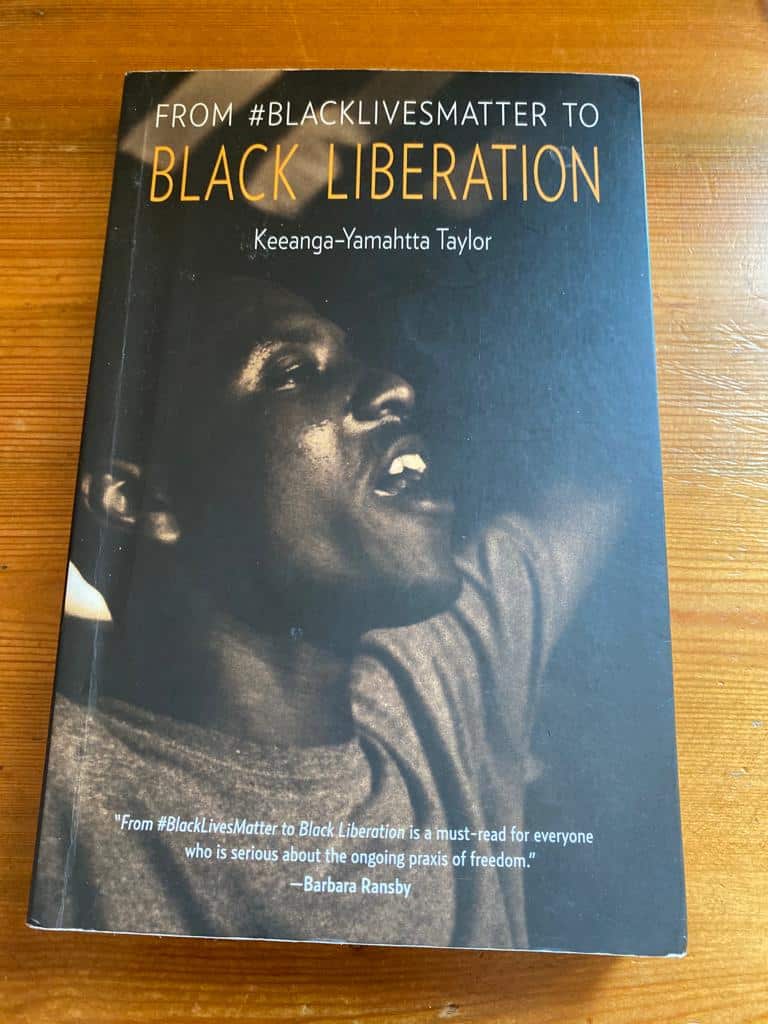
In the spirit of the moment, I would like to promote books by Black authors that have greatly influenced me and my writing. ‘From #BlackLivesMatter to Black Liberation‘ by Keeanga-Yamahtta Taylor, published by Haymarket Books, is a book that I found deeply inspiring, enlightening, and engrossing. It opened my eyes to a wealth of history and current events I didn’t know, new ways to fight for change, and how that change must take into account the specific needs of all people.
‘How We Get Free: Black Feminism and the Combahee River Collective‘, edited by Taylor, further enlightened me, and exposed me to schools of thought I wasn’t previously familiar with. The book, comprised of essays and interviews, sheds light on the origin of terms common today, like ‘intersectionality’ and ‘identity politics’, and their original meaning and intention. Very powerful.
Taylor’s latest book, ‘Race For Profit: How Banks and the Real Estate Industry Undermined Home Ownership,’ is a 2019 National Book Award Finalist. I have just bought it, and can’t wait to read it!
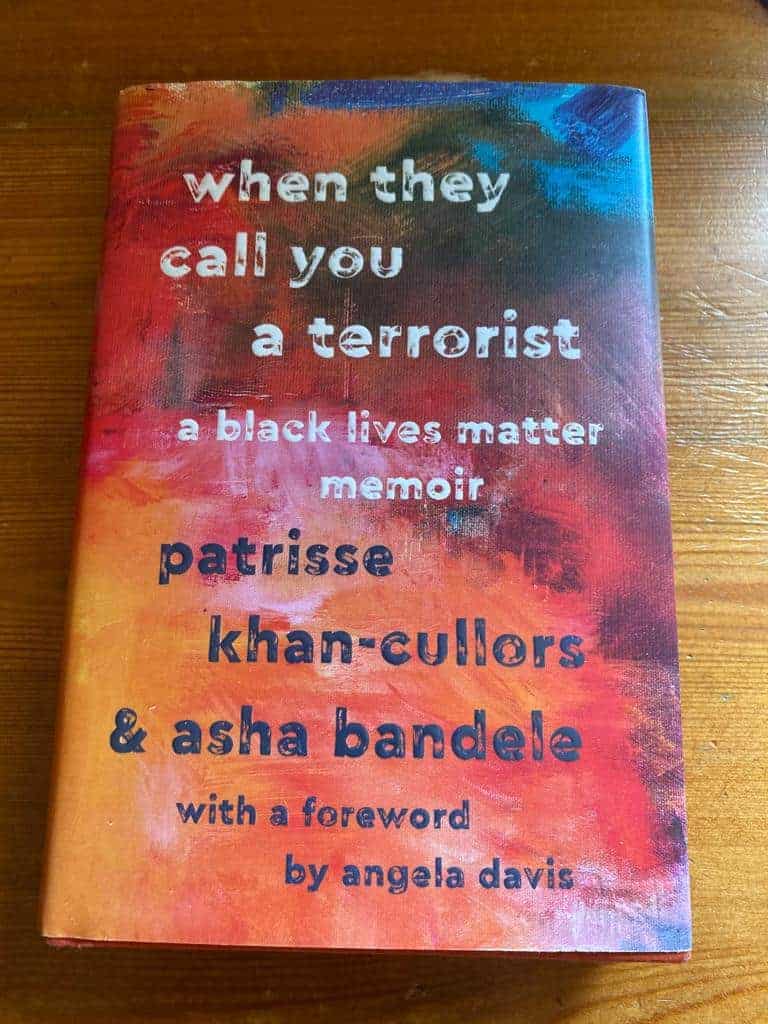
Continuing my promotion of books by Black authors that have had a tremendous effect on me and my writing, “When They Call You a Terrorist: A Black Lives Matter Memoir” by #BlackLivesMatter co-founder Patrisse Cullors, and Asha Bandele, was eye-opening and inspiring.
There are parts of this book that are difficult to read, and I can only imagine how hard they were to experience. Even for someone who has read a fair amount on racial injustice and inequality, there are things that occur in this memoir that are horrific. A major focus of the book is the experiences of Cullors’s brother, and the astounding treatment of him, and others, by the criminal justice system.
The book also provides an inside look of how the term Black Lives Matter, and its hashtag, first came about, the growth of the Black Lives Matter Global Network, and the protests in Ferguson, Missouri following the killing of Michael Brown. It’s a firsthand account of what it’s like as an activist/organizer, and despite how devastating are a lot of the stories in this book, the actions of Cullors and her successes are a source of inspiration.
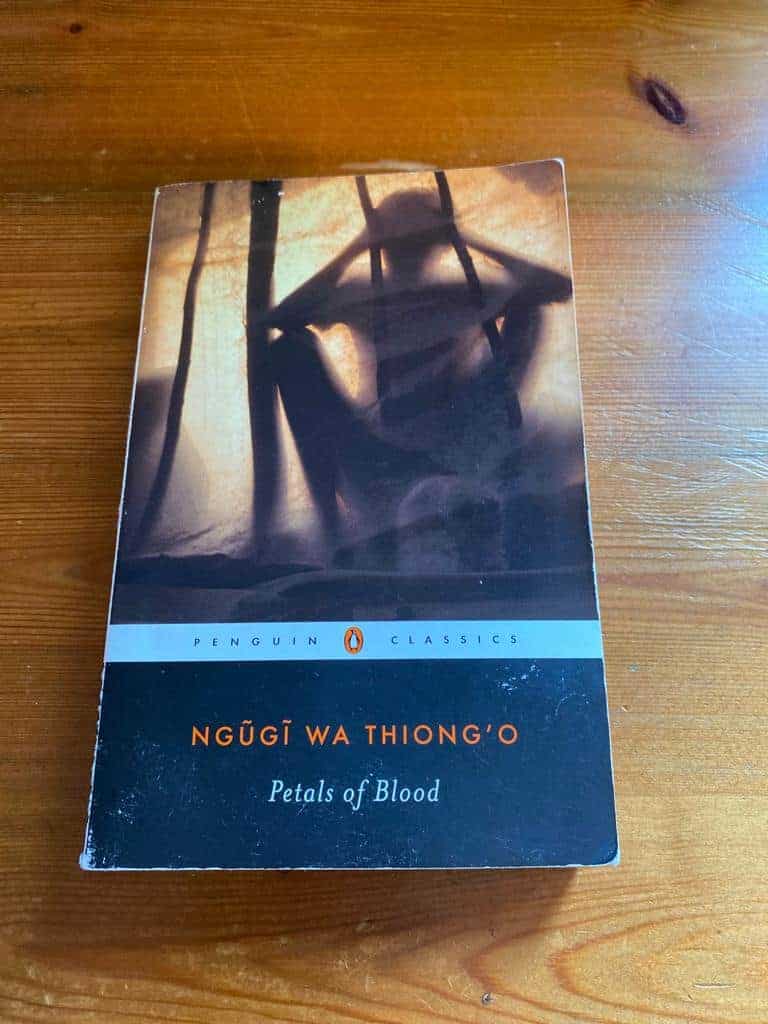
In honour of the moment, I would like to share about the incredible impact ‘Petals Of Blood’ by legendary Kenyan writer and academic Ngugi wa Thiong’o has had on me. Written in 1977, I first read the novel in the late 2000s and it expanded my mind in a number ways.
“… and there was much blood, many motherless, many maimed legs, many broken homes and all because a few hungry souls sick with greed wanted everything for themselves. They took the virtues that arise from that as true virtues of the human heart. They practised charity, pity; they even made laws and rules of good conduct for those they had made motherless, for those they had driven into the streets. Tell me … would we need pity, charity, generosity, kindness if there were no poor and miserable to pity and be kind to?”
There is such a strength and potency to this novel (which I believe is evident in the quote above). An extremely powerful indictment, and decoding, of neocolonialism–or any exploitative unequal system–‘Petals of Blood’ is at the same time a brilliant work of storytelling. A murder mystery that delves deep into the lives of the four suspects, and in the process explores the transition to Kenyan independence and the distortion of what had been hoped for.
Ngugi also pushes boundaries stylistically–at least he exposed me to stylistic and storytelling techniques that I had never come across before. At times the book is written in first person, at times in third, and at times it is written in first person plural, as the people of the town the book is set in narrate a chapter, as in, “We saw this …” There is not always a frame to explain these changes of perspective; the book flows freely from one to another, which taught me that the structures of novels do not have to be so rigid. That the style is about illuminating the content, and not the content itself.
I love this book.

